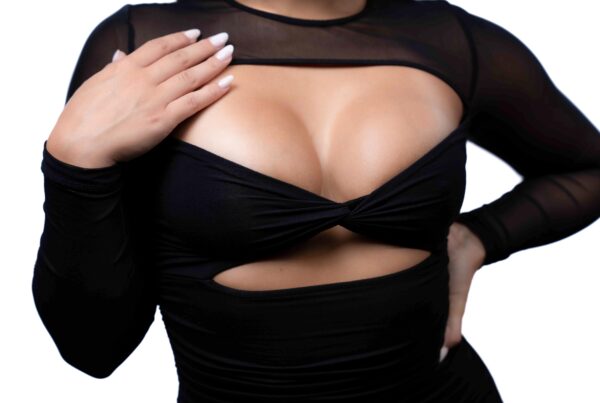
Choosing a breast implant size is not as simple as selecting a number of cubic centimeters. A 240 cc implant can look full and balanced on one person, while the same implant may create a very different result on someone else. The best breast implant size is the one that works with the individual breast dimensions, available tissue, and desired shape.
I would treat implant volume as one part of the decision, not the decision itself. A successful breast augmentation aims for proportion, cleavage, fullness, and an overall shape that the breast can safely accommodate.
Why Breast Implant CC Size Is Not a Universal Measurement
Implant volume is measured in cubic centimeters, commonly written as cc. It is useful for describing how much volume an implant contains, but it does not predict exactly how large a person will look after breast augmentation.
Two people can receive implants with the same cc volume and have noticeably different results. Their starting breast size, breast width, chest proportions, existing tissue, and ability to accommodate an implant all differ. This is why choosing an implant based solely on a friend’s result, social media photo, or before-and-after image can lead to unrealistic expectations.
A patient may like the appearance associated with a 400 cc implant in a photograph, for example, but that does not mean a 400 cc implant is appropriate for her own breast dimensions. Likewise, a smaller implant may create a fuller-looking result than expected when it is well matched to the patient’s anatomy.
What Determines the Right Implant Size?
The right breast implant size begins with what physically fits the breast. I would focus on the breast’s capacity and shape rather than trying to reach an arbitrary volume target.
Breast Width
Breast width is a major practical limit. A breast that is not wide enough may not accommodate a larger implant, even if a patient wants substantially more volume. An implant that exceeds the available width is not automatically a better option simply because it has a higher cc number.
Available Breast Tissue
The breast tissue must be able to accommodate the implant. A surgeon creates a pocket for the implant, then determines the largest implant that can reasonably fit that pocket and the existing breast tissue. In some cases, the biggest suitable implant may still be considered small compared with average implant volumes.
Desired Fullness and Shape
Volume affects fullness, but the goal should be a breast shape that looks balanced and attractive on the individual body. Cleavage, gentle contour, and overall proportion can matter more than the number on an implant label.
A well-selected implant can fill the breast to its available capacity without requiring a high cc volume. That is why a result may appear more enhanced than the number alone suggests.
Is 240 cc a Small Breast Implant?
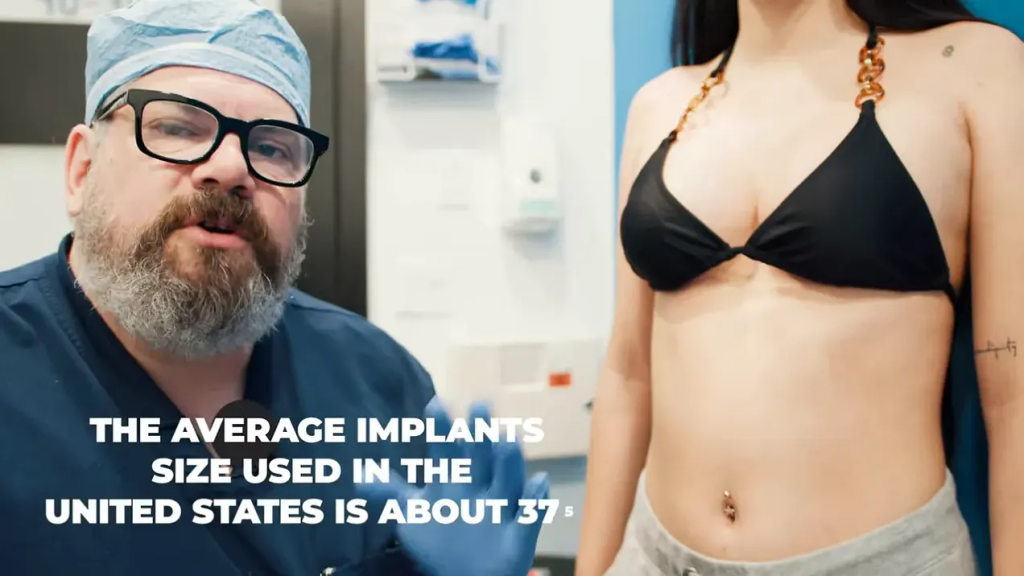
A 240 cc implant is generally on the smaller side compared with the stated United States average of about 375 cc. However, “small” does not mean the outcome will look subtle, inadequate, or disappointing. The visible effect depends on the person receiving it.
In one example, a patient received 240 cc implants after the pocket was created and assessed. Although the volume was lower than average, the result showed strong cleavage, pleasing fullness, and a soft overall breast shape. The implant was the largest option that fit her anatomy at that time.
This illustrates an important point: the appearance of breast augmentation cannot be reliably judged from cc volume alone. A 240 cc implant can look very different from person to person.
Why Photos and Other People’s Results Can Be Misleading
Before-and-after photos can help communicate a general aesthetic preference, such as wanting more upper fullness or a natural-looking contour. They should not be treated as a sizing chart.
When comparing results, I would use photos to identify what you like about the overall look, not to request the exact implant size. A surgeon can then translate preferences such as “more cleavage,” “fuller appearance,” or “balanced shape” into a size that fits your individual breast.
It is especially important to avoid assuming that a particular cc volume will produce a particular cup size or appearance. The same numerical volume does not create a standardized result.
Can You Go Larger Later?
Sometimes a person may wish to be larger after breast augmentation but may not be able to safely accommodate a larger implant immediately. Tissue can need time to soften and adapt before a future increase in implant size is considered.
In the example discussed here, the patient wanted additional size, but the appropriate approach was to wait roughly one to two years for the tissue to soften and potentially allow accommodation of a larger implant. Even then, breast width could continue to limit the final size range.
This does not mean every patient needs a staged approach. It does show why an initial size should be based on current anatomy rather than forcing the largest imaginable implant into a breast that cannot accommodate it.
A Practical Framework for Choosing Implant Size
A productive breast augmentation consultation should move from goals to physical fit.
- Describe the look you want. Focus on fullness, cleavage, contour, and the overall degree of enhancement.
- Use reference photos carefully. Identify features you like, but do not assume the implant volume will translate directly to your body.
- Assess breast dimensions. Breast width and existing tissue help establish which implants can fit appropriately.
- Consider the largest suitable option. The largest implant that fits well may provide the fullest attractive result for that breast, even when the cc number is lower than expected.
- Plan for healing and reassessment. If more size may be possible later, allow tissue adequate time to soften before considering further surgery.
Common Breast Implant Sizing Mistakes to Avoid
Choosing a number before considering anatomy
Starting with “I want 400 cc” can make the discussion too narrow. A better starting point is the desired appearance, followed by an assessment of what the breast can accommodate.
Using the national average as a target
An average implant size of approximately 375 cc is a reference point, not an ideal size. Being above or below average says little about whether an implant is right for a particular person.
Assuming larger always looks better
A larger implant may not fit a narrower breast. The most attractive result is not necessarily the highest volume. It is the implant that produces the best shape within the limits of the individual breast.
Judging the final result too early
Early healing is only one stage of the process. When a patient is interested in a larger implant later, tissue softening and the breast’s ability to accommodate additional volume should guide the timing and feasibility of that choice.
The Bottom Line on Breast Implant Size
The ideal breast implant size is personal. It is determined by the balance between your aesthetic goals and what your breast dimensions and tissue can accommodate. Rather than pursuing a specific cc number seen elsewhere, prioritize a proportional shape, adequate fullness, and a result that suits your body.
A smaller-volume implant can still create a striking, full-looking breast augmentation when it is selected to fit well. Conversely, a much larger implant may not be feasible if the breast is not wide enough to support it. The number matters, but the fit matters more.
Frequently Asked Questions About Breast Implant Size
What is the average breast implant size in the United States?
The average implant size cited here is about 375 cc. This is only an average and should not be used as a personal sizing goal.
Will a 240 cc breast implant look small?
Not necessarily. A 240 cc implant is generally smaller than average, but it can still create substantial fullness and cleavage when it fits the patient’s breast dimensions well.
Can I choose the same implant size as someone whose result I like?
You can use that result to explain the shape or fullness you prefer, but the same implant volume can look different on every person. Breast width and tissue capacity must be considered.
Can breast implants be made larger after augmentation?
It may be possible in some situations, but tissue may need one to two years to soften before a larger implant can be considered. Breast width may still limit how large an implant can fit.
Learn more about implant size, watch this video: