Can a Brazilian Butt Lift (BBL) last for years, and will the transferred fat still feel natural? These are among the most important questions patients ask when considering a BBL in Miami.
The fat that survives a Brazilian Butt Lift can remain long term and feel soft because it becomes living tissue with its own blood supply. It is still your own fat, so it can change in volume when your weight changes.
As a Miami plastic surgeon specializing in body contouring procedures, including Brazilian Butt Lift and liposuction, I believe understanding long-term results is just as important as seeing immediate before-and-after photos.
A two-year BBL post-op follow-up offers a useful example of what an established result can look and feel like. It also helps answer practical questions about softness, natural contours, liposuction scars, and realistic expectations.
For patients researching BBL Miami, natural BBL results, or liposuction in Miami, this follow-up provides insight into what matters beyond the initial recovery period.
What Makes BBL Fat Last? Understanding Long-Term Fat Survival
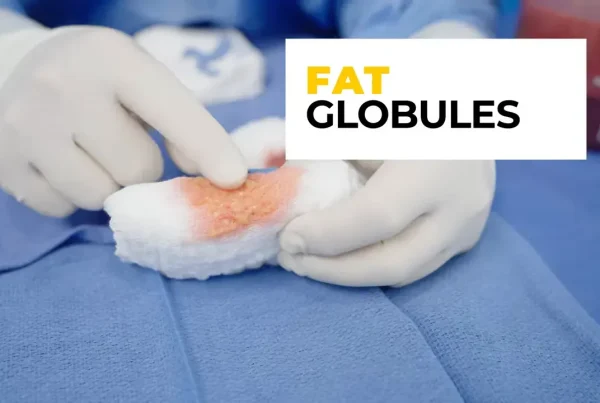
A Brazilian Butt Lift uses transferred body fat to add volume and reshape the buttocks. Fat is typically collected through liposuction from areas such as the abdomen, waist, flanks, or back, then processed and transferred to the buttocks.
That transferred tissue is a fat graft. For it to remain living tissue, it needs to establish a blood supply.
Once the grafted fat survives and integrates, it becomes part of the body in its new location. It is not simply material sitting beneath the skin that must eventually disappear.
I separate long-term fat survival into two ideas:
- Initial survival: The important question is how much transferred fat survives the operation and becomes established tissue.
- Long-term behavior: The surviving fat remains body fat and responds to changes in body weight.
This distinction matters when someone asks whether a BBL is permanent. Established fat can persist long term, but persistence does not guarantee an unchanged size or contour.
A two-year result also cannot establish a universal fat-retention percentage. Without measurements of the original transfer and retained volume, a natural-looking outcome demonstrates durability in that individual, not a numerical survival rate for everyone.
For anyone comparing Brazilian Butt Lift surgeons in Miami, understanding how fat grafting works and what affects long-term results is an important part of evaluating the procedure.
Does a BBL Feel Soft or Hard After Two Years?
A healed BBL can feel soft and natural. Transferred fat does not have to remain firm simply because it has been moved to a different part of the body.
The tissue immediately after the procedure may feel very full and firm because the area has just been filled. That immediate feel is different from the texture of an established long-term result.
In the two-year follow-up example, the buttocks were soft during examination. The retained volume felt like the patient’s own tissue, rather than a permanently rigid addition.
This is one of the reasons patients seeking natural-looking BBL results in Miami often ask about more than buttock size. Texture, softness, proportions, and the way the buttocks complement the waist all contribute to the final appearance.
I would not use this example to promise an exact week or month when every patient should become soft. It supports the possibility of a soft long-term result, not a universal recovery deadline. Questions about persistent firmness or a particular area need an individual assessment.
How Weight Loss and Weight Gain Affect BBL Results
Surviving BBL fat behaves like fat elsewhere in the body. That explains both why it can last and why the result is not immune to weight fluctuations.
What happens to your BBL if you lose weight?
Significant weight loss can reduce volume in the transferred fat. A smaller buttock contour after weight loss does not necessarily mean the graft failed; established fat can become smaller as body weight decreases.
Patients planning a Brazilian Butt Lift after weight loss should consider how future weight changes may influence their results.
What happens to your BBL if you gain weight?
Weight gain can increase volume in the buttocks as the surviving fat enlarges. The amount and appearance of that change cannot be predicted from one patient’s result.
The patient in the two-year example was physically active and maintained her weight well. I treat that as relevant context for her stable appearance, not proof that exercise alone determines fat survival.
The practical takeaway is to discuss your weight goals when evaluating a BBL. If substantial weight loss is planned, ask how that could affect the contour you hope to maintain.
For patients considering BBL surgery in Miami, realistic expectations about long-term weight stability are an important part of planning a natural-looking result.
What Natural BBL Results Look Like After Two Years
The two-year example showed retained buttock volume, soft tissue, and a contour that fit the patient’s lean build. A small area of relative flatness remained, but it did not prevent the overall result from looking natural.

I assess the overall contour rather than treating every small variation as a flaw.
The localized flatness was attributed to tissue that had limited ability to stretch. This is an important expectation-setting point: adding fat does not mean every part of the recipient area can expand equally.
I also distinguish natural proportions from perfect symmetry. Differences in the underlying rib cage and other body structures can remain visible after contouring. Surgery does not make the body’s underlying anatomy identical on both sides.
A useful long-term assessment therefore considers more than size:
- Does the buttock volume fit the waist and overall build?
- Does the tissue feel soft during examination?
- Are contour differences consistent with the person’s anatomy?
- How do the buttocks look from both the rear and the side?
This example illustrates one established outcome. It does not guarantee the same shape, softness, or degree of symmetry for another patient.
When reviewing BBL before-and-after photos, I encourage patients to consider overall proportions, waist definition, and natural contours rather than focusing exclusively on buttock volume.
These details are especially relevant for patients researching the best BBL surgeon in Miami and evaluating the aesthetic approach behind different surgical results.
Why Liposuction Results Matter in a Brazilian Butt Lift
A BBL result includes the areas where fat was removed, not just the buttocks. Abdominal and waist contours contribute to the overall appearance.
For patients considering liposuction in Miami, this is an important distinction: successful body contouring is not simply about removing the greatest possible amount of fat. It is about creating balanced, natural-looking proportions.
In the two-year example, conventional liposuction revealed the patient’s existing abdominal definition without deliberately creating sharply etched muscle lines. A small amount of fat remained beneath the skin to preserve softness and a natural contour.
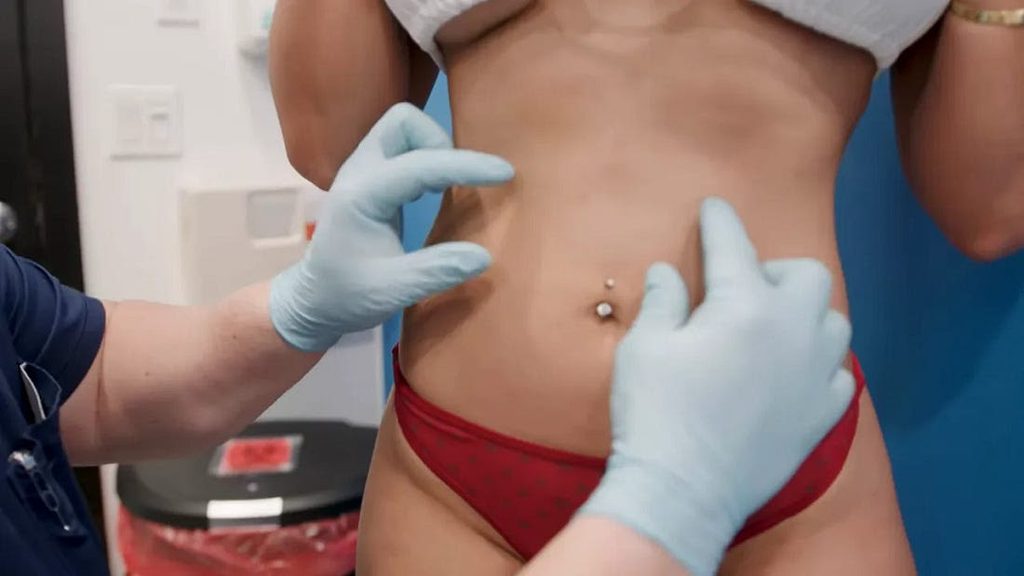
Removing every possible bit of fat is not the same as achieving the best contour. Excessive removal can leave the skin appearing stuck down against the underlying muscle rather than smoothly draped over it.
I distinguish revealing natural definition from high-definition liposuction, which deliberately emphasizes muscular contours. Preference between those approaches is an aesthetic discussion, not a conclusion that one result establishes for every patient.
Existing anatomy also means that not everyone will develop a six-pack appearance after fat removal.
For someone researching the best liposuction in Miami, it is important to understand that the quality of a result depends on thoughtful contouring, individual anatomy, and realistic aesthetic goals—not simply how much fat is removed.
Can liposuction scars still be visible after two years?
Yes. In this example, the access scars had healed well overall, but some upper scars retained discoloration. That makes “natural-looking” different from “completely scar-free.”
I would include scar appearance in any long-term result discussion rather than assessing only buttock fullness.
Questions to Ask at a Long-Term BBL Follow-Up
I would use a follow-up appointment to clarify the result rather than judge it from photographs alone. These questions keep the discussion specific:
- How does the tissue feel on examination? Photographs show shape, but they cannot establish softness.
- Has my weight changed? This helps put changes in volume into context.
- Which contour differences reflect my anatomy? Ask about asymmetry and areas with limited tissue stretch.
- How have the liposuction areas healed? Include abdominal contour, skin softness, and scar discoloration.
- What can this result realistically tell me? Separate an individual outcome from claims about universal retention or recovery timing.
Whether you are considering your first Brazilian Butt Lift or evaluating an existing result, these questions can help guide a more informed discussion with your plastic surgeon.
Common Misconceptions About Long-Term BBL Results
- “All transferred fat must survive.” Long-term durability applies to the fat that becomes successfully established.
- “Permanent means the size cannot change.” Surviving fat can change with weight loss or gain.
- “A BBL always feels hard.” An established result can be soft and feel natural.
- “A natural result must be perfectly symmetrical.” Underlying anatomical differences can remain.
Understanding these distinctions helps patients form realistic expectations about Brazilian Butt Lift surgery, fat transfer, and long-term body contouring results.
Frequently Asked Questions About BBL Results and Liposuction
How long does a Brazilian Butt Lift last?
A Brazilian Butt Lift can produce long-lasting results when transferred fat successfully establishes a blood supply and survives. The surviving fat becomes living tissue, but its volume can still change with weight fluctuations, aging, and individual anatomy.
Is a BBL permanent?
The fat that survives a BBL can remain long term. However, a permanent fat graft does not mean the buttocks will maintain exactly the same size and shape forever. Weight changes and natural aging can affect the final contour.
What does a BBL look like after two years?
A two-year BBL result may show retained buttock volume, soft tissue, and natural waist-to-hip proportions. The exact appearance depends on the patient’s anatomy, fat survival, weight stability, and original surgical plan.
Does BBL fat feel natural?
Yes. Once the transferred fat has healed and integrated, a BBL can feel soft and natural. Long-term firmness or irregularities should be evaluated individually.
Can you lose your BBL if you lose weight?
Weight loss can reduce the size of surviving transferred fat cells, which may decrease buttock volume. This does not automatically mean the fat transfer failed.
Does liposuction fat come back?
Liposuction removes fat cells from treated areas, but remaining fat cells can enlarge with weight gain. Maintaining a relatively stable weight helps preserve the contours achieved through liposuction.
Can liposuction create natural abdominal definition?
Yes. Liposuction can reveal existing abdominal contours by reducing localized fat deposits. The final appearance depends on anatomy, skin characteristics, and how the fat is removed. Not every patient will develop visible muscle definition.
Can BBL and liposuction be performed together?
Yes. Liposuction is an essential part of a fat-transfer Brazilian Butt Lift because it provides the fat used to reshape the buttocks. It also helps contour donor areas such as the abdomen, waist, and flanks. Safe fat placement is essential, including avoiding injection into the gluteal muscles.
How do I choose the best BBL surgeon in Miami?
Look for a board-certified plastic surgeon with experience in Brazilian Butt Lift surgery, a strong understanding of fat transfer safety, and results that align with your aesthetic goals. Review long-term before-and-after results, discuss surgical techniques and safety protocols, and consider how the surgeon approaches natural proportions and individual anatomy.
What should I look for when comparing liposuction surgeons in Miami?
Consider board certification in plastic surgery, body contouring experience, patient safety, and before-and-after results that demonstrate balanced proportions. The best approach to liposuction is individualized rather than based solely on removing the maximum amount of fat.
The Bottom Line: Long-Term BBL Results Are About More Than Volume
I view long-term BBL results as a combination of living fat, individual anatomy, weight stability, and the quality of the surrounding contours. A two-year follow-up can demonstrate retained volume and softness, but it cannot promise identical results for everyone.
The most useful next step is an individualized discussion about your contour, tissue feel, weight goals, and scars. Lasting fat survival matters, but it is only one part of a natural, durable outcome.
I make an important distinction between a lasting fat graft and a permanently fixed shape. A BBL can produce a durable result, but that does not mean every bit of transferred fat survives or that your proportions can never change.
Considering a Brazilian Butt Lift or Liposuction in Miami?
At Ogee Plastic Surgery in Sunny Isles Beach, Miami, Dr. Karl William Schwarz, known as Dr. William, provides individualized evaluations for patients interested in Brazilian Butt Lift surgery, liposuction, and body contouring.
Whether your goal is to enhance your natural curves, improve waist definition, or better understand what results are realistic for your anatomy, the first step is a personalized evaluation.
Start Your BBL or Liposuction Evaluation
Discover which body contouring options may be appropriate for your goals.
Ogee Plastic Surgery | Sunny Isles Beach, Florida | Serving Miami and South Florida
]