
Hip dips are a natural contour feature for many people. When someone wants a smoother outer hip line, simply adding volume into the visible hollow is often not enough. I will explain the underlying anatomy, the principle of the supporting trench, how fat transfer and body contouring address the issue, common mistakes to avoid, and practical questions to bring to a consultation.
What are hip dips and why do they happen?
Hip dips are inward curves along the side of the pelvis where the skin and soft tissue meet the iliac crest and the thigh. They arise from a combination of bone shape, muscle attachments, and the distribution of subcutaneous fat. Hip dips are a normal variation in body shape and not a defect.
Key points
- They are influenced by pelvic bone structure more than by fat volume alone.
- Muscle and fascia layers create variation in how fat sits on the hip.
- Exercise can change muscle tone but usually cannot eliminate a prominent hip dip caused by bone shape.
Why filling only the hollow often fails
Adding fat directly into the visible hollow sounds logical, but it can fail unless the deeper supporting area is also addressed. Imagine the hollow as the top of a trench. If you place material on the top without filling the trench below, that material has no support and may shift or resorb, restoring the original contour.
What creates the need for support
- There are layers of tissue above muscle where fat is placed. If a deeper pocket or trough is empty, superficial injections will only provide a temporary effect.
- Fat graft survival depends on contact with well vascularized tissue. Unsupported fat in a superficial plane may not integrate well.
- Gravity and movement encourage fat to settle toward areas of less resistance when deeper compartments are not filled.
How hip dip correction is approached in surgery
Correction requires a plan that treats both shape and support. The goal is to create a smooth transition from waist to hip to butt so the outer hip appears gently convex rather than concave.
Typical surgical steps
- Assessment and marking to identify the hollow, the supporting trench, and the desired outer hip contour.
- Liposuction where appropriate to refine adjacent areas such as the waist or key lateral zones so proportions read correctly.
- Fat harvest and processing from donor areas using gentle technique to maximize fat cell viability.
- Multi plane fat grafting that places fat into deeper tissue pockets first to back fill the trench and then layers fat more superficially to sculpt the outer line.
- Blending and shaping so the convex of the hip integrates smoothly with the buttocks and waist.
Some surgeons use imaging such as ultrasound during the procedure to confirm cannula position and observe fat placement in real time. Placing grafts both deep and superficial improves structural support and increases chances of lasting results.
Realistic outcomes and longevity
Expectations should be practical. Fat grafting can produce durable improvement when done properly, but results depend on several variables.
Factors that influence outcome
- How much of the trench is filled A complete correction requires filling the deeper supportive area as well as the outer contour.
- Fat survival rate Typically some resorption occurs. Surgeons often overfill strategically to account for this.
- Body weight changes Gains or losses can change hip and butt volume and alter the result.
- Surgical technique Gentle harvesting, proper processing, and multi plane placement improve long term retention.
When performed correctly many patients enjoy stable results for years. Incomplete correction or superficial only placement is a common reason patients see the hollow return.
Common mistakes and risks to watch for
Understanding frequent pitfalls helps you ask the right questions and choose an appropriate surgeon.
- Underfilling the trench leads to unsupported superficial fat that shifts or resorbs and makes the hip dip return.
- Poor blending creates visible steps between the waist, hip, and buttocks instead of a smooth line.
- Overaggressive liposuction near the hip can worsen the hollow rather than improve it.
- Ignoring individual anatomy Treating every patient the same way instead of tailoring the plan to pelvic shape and soft tissue distribution produces suboptimal outcomes.
- Fat graft complications such as oil cysts or nodules are uncommon but can occur. Choosing a qualified surgeon reduces risk.
Questions to ask at a consultation
Bring a checklist so you leave with clear information.
- How will you address the deeper trench and superficial contour?
- What percentage of transferred fat do you expect to remain long term?
- Will you sculpt my waist or adjacent areas with liposuction as part of the plan?
- Do you use imaging such as ultrasound during the procedure to guide placement?
- What are the risks specific to fat grafting in the hip and butt area?
- Can I see before and after photos of similar patients with the same anatomy?
Recovery and aftercare fundamentals
Recovery is similar to other fat grafting procedures but with attention to pressure and activity.
- Avoid sitting directly on grafted areas for the initial weeks as instructed by your surgeon to protect new fat cells.
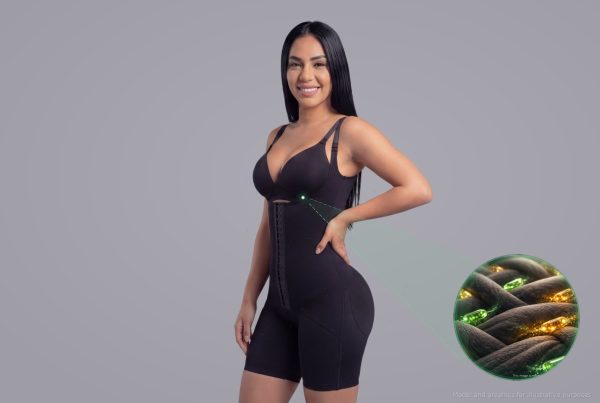
- Wear compression garments as recommended to reduce swelling and help contour adjacent areas after liposuction.
- Expect swelling and bruising that gradually improves over weeks with final shaping continuing for several months.
- Follow weight guidelines Maintain a stable weight as major changes alter the appearance.
- Attend follow up appointments so the surgeon can monitor healing and graft retention.
Summary and takeaways
Correcting a hip dip is more than filling a visible hollow. Lasting results require structural support by filling the deeper trench below the hollow and carefully blending that volume into the waist and buttocks. Multi plane fat grafting, proportionate liposuction, and surgeon experience make the difference between short term smoothing and a durable contour change.
If you are considering hip dip correction, BBL, or advanced body contouring, a personalized and anatomy-driven plan is essential. At Ogee Plastic Surgery Face & Body Center in Sunny Isles Beach, Dr. William approaches hip dip correction and BBL with this exact philosophy: structure first, shape second, and long-term results always.
📍 Visit us at 16690 Collins Avenue, Suite #702, Sunny Isles Beach, FL 33160
📞 Call (305) 209-9371 to schedule your consultation
If you’re ready to explore whether hip dip correction and a Brazilian Butt Lift is right for you, schedule a consultation with Dr. William and let’s build a plan designed for your body, your goals, and results that last.